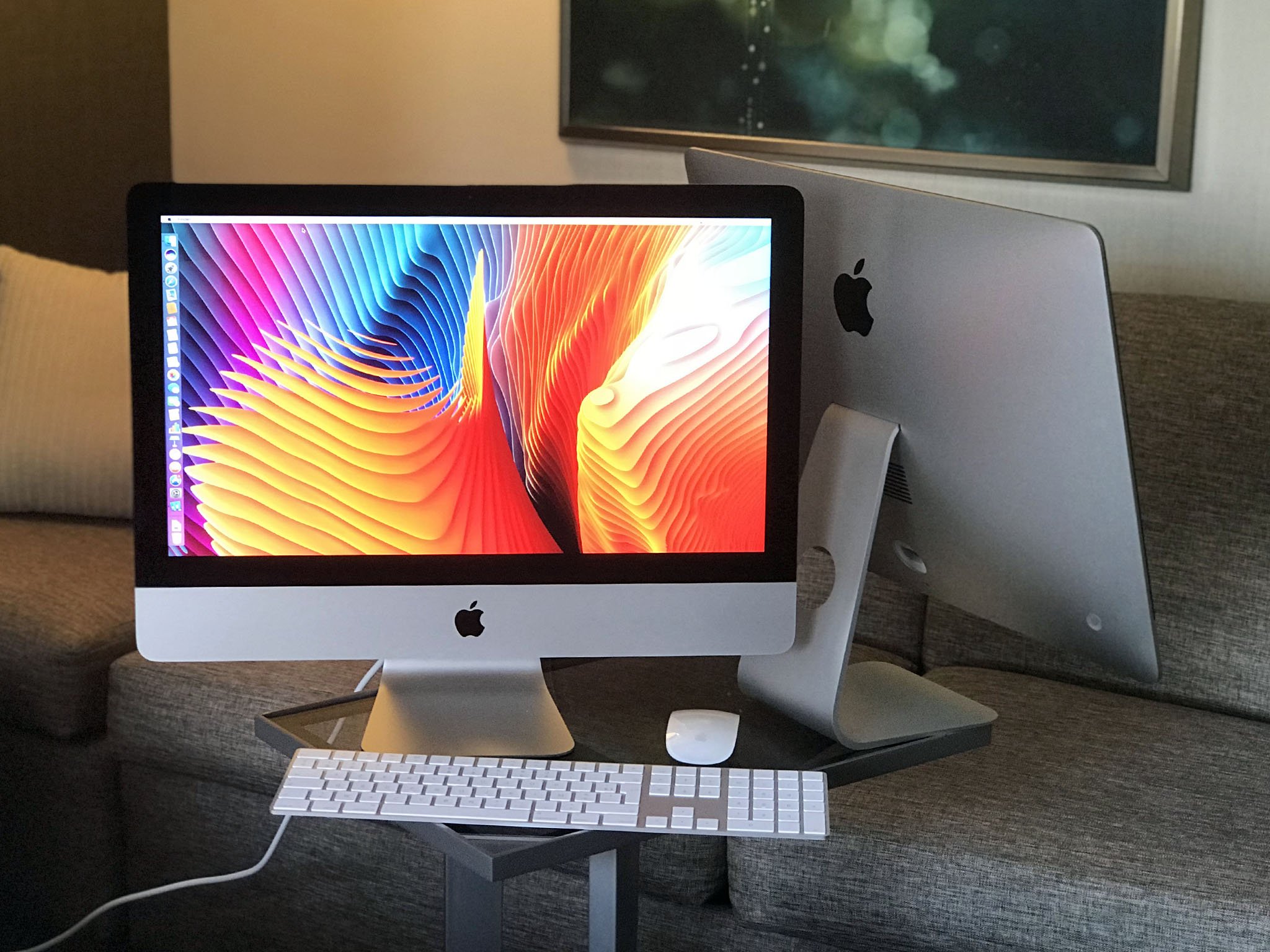
May 2, 2016 - Why should you consider a 4K display instead of a cheaper monitor with lesser resolution? 2014); Mac Pro (Late 2013); iMac (27-inch, Late 2013) and later; Mac mini (Late 2014). The best 4K Monitor for the MacBook Pro? The Apple Mac mini is a versatile machine noted for having a plethora of ports. Given the machine's age, it might be tempting to think of the computer as outdated. However, for specific uses such as video editing or even server hosting, the small Mac mini is an ideal alternative to the barebones PC.
4K displays are becoming increasingly popular as they come down in prices, and even some 5K displays have been released over the past year, but there are lots of variables to consider before purchasing one for your Mac. This buyer's guide will help you determine the ideal 4K or 5K display for your MacBook, MacBook Air, MacBook Pro, iMac, Mac Pro or Mac mini, based on compatibility, price, display technologies and more. Choosing a Resolution: Ultra HD vs. 5K The resolution of a display is simply the number of pixels on a screen based on its width and height. The term 1080p, for example, refers to a 1,920× 1,080 display, which translates to 1,920 pixels along the horizontal axis and 1,080 pixels along the vertical axis. Just like TVs, higher resolution displays have sharper, crisper images.
Displays continue to advance at a quick pace; currently, the most common resolutions are between 1,920×1,080 and 2,880×1,800. 4K and 5K displays take a big step beyond that, packing millions more pixels than lower-resolution displays of the same size. Apple coined the marketing term 'Retina displays' to describe these ultra-high resolutions.
Office for mac home and business 2019. A true 4K display has a resolution of 4,096×2,160 pixels, but most 4K displays you will find are actually 'Ultra HD' displays with slightly lower 3,840×2,160 resolutions -- sometimes called. 5K displays have a resolution of 5,120×2,880 pixels, or about seven times the pixel density of a 1,920×1,080 display. • Ultra HD: 3,840×2,160 pixels • 4K: 4,096×2,160 pixels • 5K: 5,120×2,880 pixels Bottom Line: Purchase an Ultra HD 4K (3,840×2,160) display if you want the widest selection and lowest prices.
The resolution is still considered 4K-class and will be a significant step up from 1080p or 2K monitors. Choosing a Port: Thunderbolt vs. HDMI 4K and 5K displays can be connected to Macs using Thunderbolt or HDMI cables.
Thunderbolt ports on your 2011 or later Mac support Mini DisplayPort, a common technology for connecting external displays. Many external displays have Mini DisplayPort, meaning all you need to do is connect a Thunderbolt cable between your Mac and the monitor. Some displays, however, have full-size DisplayPort ports that require a DisplayPort-to-Mini DisplayPort (mDP) cable -- sold on for under $10. Most early 2011 to mid 2013 Macs use first-generation Thunderbolt, which supports DisplayPort 1.1a for a max video throughput of 8.64 Gbps. Simply put, virtually all pre-mid-2013 Macs are not powerful enough for 4K or 5K displays at a 60Hz refresh rate.
 • What is a refresh rate? A display's refresh rate is the number of times per second it can redraw the entire screen, which essentially determines the display's max frames per second (FPS).
A refresh rate is typically measured in Hertz (Hz), with three common frequencies: 60Hz, 30Hz and 24Hz. Ideally, if you are purchasing a 4K or 5K display, you will want to ensure that you have a Mac capable of driving the monitor at 60Hz -- find your model at the end of this guide. Running an external display at 30Hz or 24Hz over Thunderbolt or HDMI can result in mouse lag and choppy performance. Macs with Thunderbolt can support a refresh rate up to 60Hz, while HDMI can support 24Hz or 30Hz due to bandwidth limitations of the HDMI 1.4 spec. Apple has yet to release Macs with HDMI 2.0, which can drive 4K and 5K displays at up to 60Hz. More details about HDMI can be found below.
In 2013, Apple adopted, which supports DisplayPort 1.2 for a doubled max video throughput of 17.28 Gbps -- more bandwidth to push all those millions of extra pixels on 4K or 5K displays. Macs refreshed in Late 2013 or later have Thunderbolt 2 ports, allowing for one 4K display at up to 60Hz, or in some cases multiple ones with a powerful enough graphics card. Macs with Thunderbolt 2 compatibility include the.