If you think malware has already been installed on your Mac – especially if you’re seeing pop-up messages asking for your Apple ID or credit card details – quit the app / software you think might be infected, launch your Activity Monitor and locate the app in question, or search for the malware named above.
This is a comment on what you should and should not do to protect yourself from malicious software ('malware') that circulates on the Internet. It does not apply to software, such as keystroke loggers, that may be installed deliberately by an intruder who has hands-on access to your computer, or who has been able to log in to it remotely.
That threat is in a different category, and there's no easy way to defend against it. If you have reason to suspect that you're the target of such an attack, you need expert help. If you find this comment too long or too technical, read only sections 5, 6, and 10. Exit parallels desktop on mac. OS X now implements three layers of built-in protection specifically against malware, not counting runtime protections such as,, system library randomization, and that may also guard against other kinds of exploits. All versions of OS X since 10.6.7 have been able to detect known Mac malware in downloaded files, and to block insecure web plugins. This feature is transparent to the user.
Internally Apple calls it 'XProtect.' The malware recognition database used by XProtect is automatically updated; however, you shouldn't rely on it, because the attackers are always at least a day ahead of the defenders. The following caveats apply to XProtect. As new versions of OS X are released, it's not clear whether Apple will indefinitely continue to maintain the XProtect database of older versions such as 10.6. The security of obsolete system versions may eventually be degraded. Security updates to the code of obsolete systems will stop being released at some point, and that may leave them open to other kinds of attack besides malware. Starting with OS X 10.7.5, there has been a second layer of built-in malware protection, designated ' ' by Apple.
By default, applications and Installer packages downloaded from the network will only run if they're digitally signed by a developer with a certificate issued by Apple. How to format external harddrive for mac storage and time machine backup. Software certified in this way hasn't necessarily been tested by Apple, but you can be reasonably sure that it hasn't been modified by anyone other than the developer. His identity is known to Apple, so he could be held legally responsible if he distributed malware.
That may not mean much if the developer lives in a country with a weak legal system (see below.) Gatekeeper doesn't depend on a database of known malware. It has, however, the same limitations as XProtect, and in addition the following. Apple has so far failed to revoke the codesigning certificates of some known abusers, thereby diluting the value of Gatekeeper and the Developer ID program. These failures don't involve App Store products, however. For the reasons given, App Store products, and — to a lesser extent — other applications recognized by Gatekeeper as signed, are safer than others, but they can't be considered absolutely safe. 'Sandboxed' applications may prompt for access to private data, such as your contacts, or for access to the network. Think before granting that access.
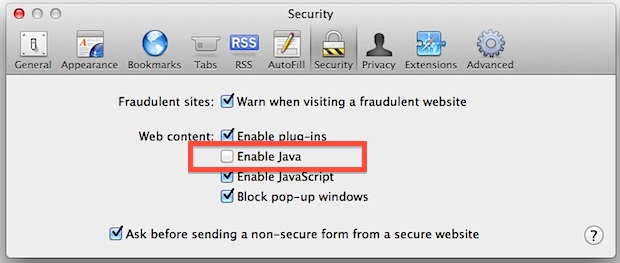
Sandbox security is based on user input. Never click through any request for authorization without thinking. Starting with OS X 10.8.3, a third layer of protection has been added: a 'Malware Removal Tool' (MRT). MRT runs automatically in the background when you update the OS. It checks for, and removes, malware that may have evaded the other protections via a Java exploit (see below.) MRT also runs when you install or update the Apple-supplied Java runtime (but not the Oracle runtime.) Like XProtect, MRT is effective against known threats, but not against unknown ones. It notifies you if it finds malware, but otherwise there's no user interface to MRT. The built-in security features of OS X reduce the risk of malware attack, but they are not, and never will be, complete protection.
The best defense is always going to be your own intelligence. With the possible exception of Java exploits, all known malware circulating on the Internet that affects a fully-updated installation of OS X 10.6 or later takes the form of so-called ',' which can only have an effect if the victim is duped into running them. The threat therefore amounts to a battle of wits between you and the scam artists. If you're smarter than they think you are, you'll win.