In Excel and Word 95 and prior editions a weak protection algorithm is used that converts a password to a 16-bit key. Hacking software is now readily available to find a 16-bit key and decrypt the password-protected document instantly. In Excel and Word 97 and 2000 the key length was increased to 40 bits.
To protect a folder and the files inside by password, here are the steps: 1. Run Disk Utility from Utilities folder 2. Select to create Disk Image from Folder under File menu 3. Select the Folder to be protected (e.g. Key in the name of the folder (or use the same name) and select where the folder will be located 5. Select “ read/write” for Image Format and 128-bit AES encryption 6.
Enter the password and DO NOT select “Remember password in my keychain” 7. The protected folder will be created in the format of a dmg file (e.g. Double clicking it will prompt for password to unlock the folder. NOTE: • The original folder (e.g. Password) still exists. It can be deleted now from the computer or be saved somewhere else as a backup just in case • After unlocked, the folder can be used as any ordinary folder and all files stored inside are password protected • One can also create file aliases (shortcuts) to directly access the files inside 8. Clicking “Eject” will lock the folder NOTE: Mac OS doesn’t come with many options for users to protect their folders and files.
This method creates a disk image with password option to be used as a protected folder. Although it is still not the best solution, it is relatively easy to implement and most important it is free.
You can help prevent unauthorized users from opening a document or from modifying a document even if they have permission to open it. You can also protect your document by specifying how or whether others can leave feedback.
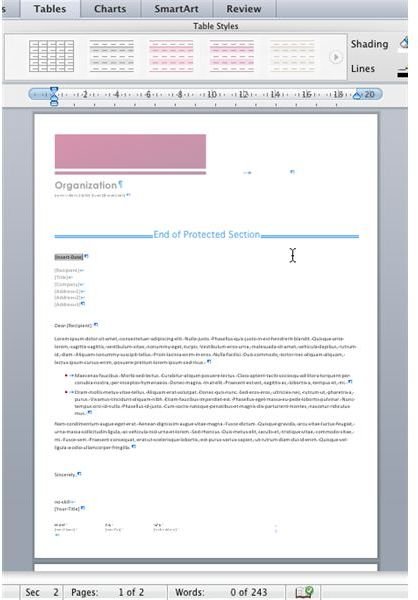
Protect your document from being opened or edited • Click Review > Protect Document. • Under Security, you can select whether to enter a password to open the document, modify the document, or both. Hp wireless laser printer. Enter each password again to confirm. • Passwords are case-sensitive and can be a maximum of 15 characters long. • If you lose or forget your password, Word won't be able to recover it for you.
Be sure to keep the a copy of the password in a safe place or create a strong password that you’ll remember. Protect your document before sending it out for review • Click Review > Protect Document. • Under Protection, select Protect document for. • Do one of the following. To Do this: Keep Tracked Changes on. Click Tracked changes Allow people to add comments.
Click Comments Prevent people from making changes. Click Read only Restrict changes to forms, so people can fill out the form without accidentally changing the form itself. Click Forms • To prevent people from changing the protection settings, type a password in the Password box.
• Click OK when you're finished. Caution: When you create a password for a document, write down the password and keep it in a secure place. If you lose the password, you can't open or gain access to the password-protected document.Passwords in Excel for Mac and Word for Mac have a 15-character limit. You cannot open a workbook or document that has been password protected in the Windows-based version of Excel or Word if the password is longer than fifteen characters. If you want to open the file in Office for Mac, ask the Windows-based author to adjust the password length.

Word doesn't encrypt the data that is hidden in a document. Given sufficient time and knowledge, a user can modify data in any document that he or she has access to. To help prevent modification of data, and to help protect confidential information, limit access to any Word documents that contain such information by storing documents in locations available only to authorized users. Do any of the following. You can add a password so that only authorized users can make changes to a document. Users who are not authorized to change a document can still open the document and then save it by using a different file name.