
Chapter 12: PDF Accessibility Web Accessibility: Web Standards and Regulatory Compliance • • • • Chapter 12: PDF Accessibility by Andrew Kirkpatrick Adobe Portable Document Format (PDF) is a popular format for publishing and delivering documents on the Web. Authors like to use PDF because PDF document creation is simple, the format preserves the appearance of the original document for printing and viewing, and it offers additional security on the document contents.
Ctrl on mac keyboard. Unfortunately, many authors deliver documents in PDF because of the ease of creating the file, and often the file is created without regard to accessibility. However, PDF documents can be highly accessible to users with various disabilities, sometimes with little additional effort on the part of the document author. Converst ssf to mp4 for mac. The single largest drawback to PDF is that authors need to focus additional attention on the document to ensure accessibility.
Fortunately, Adobe Reader is getting better at analyzing and repairing PDF documents that lack accessibility information, but the need for the author to attend to accessibility remains important. The most important ingredients of an accessible PDF are a well-structured, well thought-out source document and the correct settings on the program used to create the PDF from the source document. In this chapter, you will learn how users with disabilities can use PDF documents and how to create accessible PDF documents.
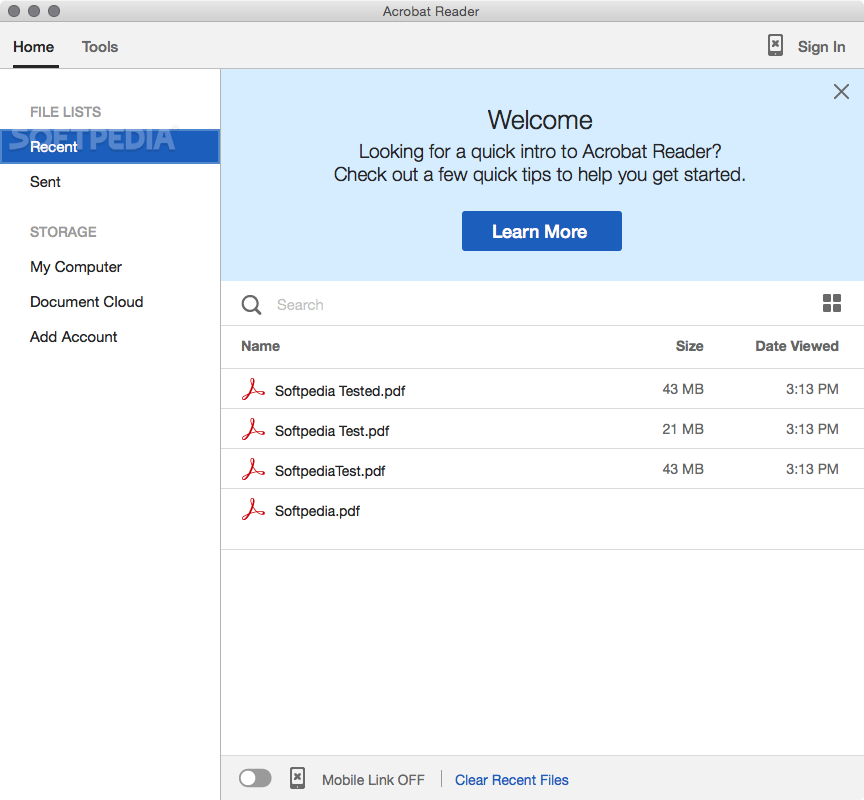
Adobe® Acrobat® Reader® DC is free software you can use to read. It leverages accessibility functions built into Windows® and Mac OS systems. This setting affects all documents you open in Adobe Acrobat Reader, so if you’re reading a document on your PC in a room with plenty of light and you want to display in the default color scheme, uncheck the “Replace Document Colors” box on the Preferences dialog box as described earlier in this article.
The intent of this chapter is not to provide information about every possible method of authoring and viewing PDF files, but to focus on authoring and remediating PDF documents for accessibility. For most examples and discussion, I' ll be referring to Adobe Reader 7.0, Adobe Acrobat 7.0 Professional, and the Adobe Acrobat PDFMaker plug-in for Microsoft Word (and to a lesser extent, Acrobat 6.0 and Adobe InDesign CS2). Unfortunately, the accessibility story for PDF creation largely centers around Adobe' s own products.
As of the time of writing, only two non-Adobe products (Open Office and the Microsoft Office 12 beta) are able to create PDF documents with tags. Accessibility Features in Adobe Reader Adobe Reader offers a significant amount of support for users with a variety of disabilities. Some features enable an author to provide more accessible content, but others require little or no effort from the author and are available for the user if needed. Changing Document Colors Many users benefit from the ability to adjust colors used to display documents. Adobe Reader provides a means to modify colors used within a PDF in the Accessibility section of the Preferences dialog box, as shown in Figure 12-1. The Accessibility section of the Adobe Reader Preferences dialog box. When you check the Replace Document Colors check box in the Document Colors Options group, you have three choices of how Adobe Reader should effect the change: Use Windows Color Scheme: Adobe Reader will use the settings in the Windows Accessibility Control Panel.