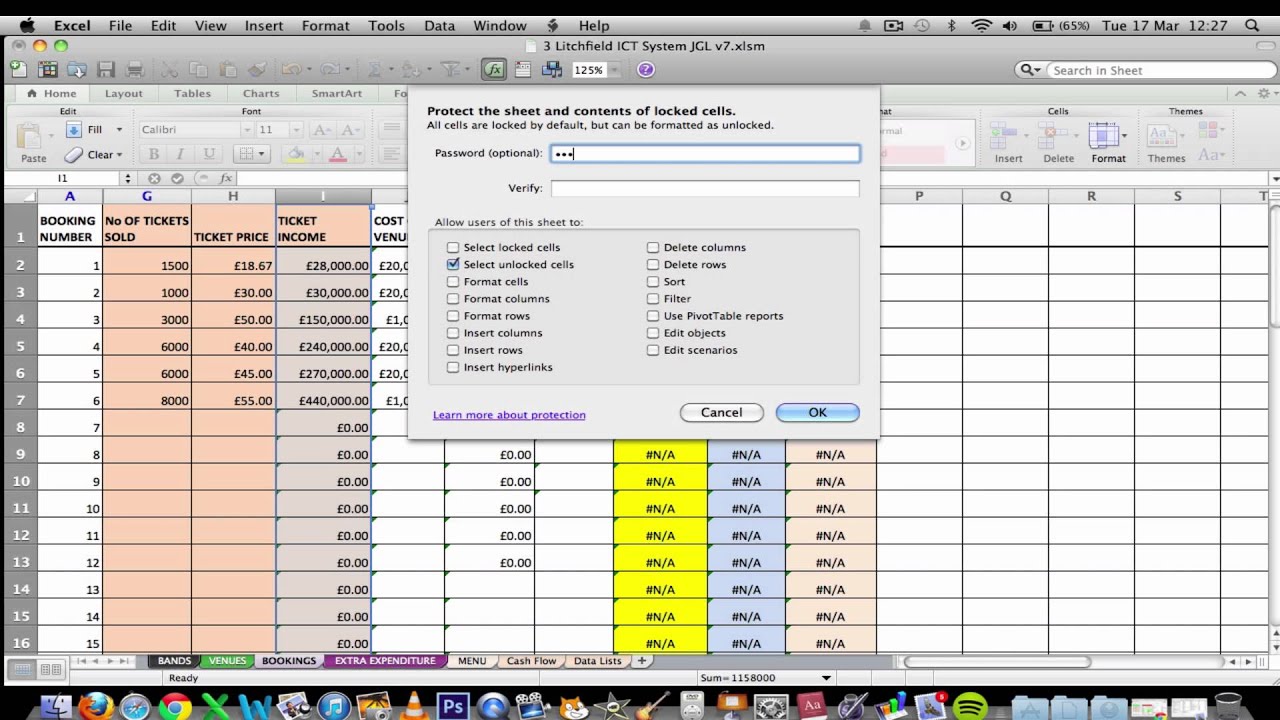
How to openel file in apple xls on imac macbook spreadsheet air xml. Spreadsheet how to hide cells in excel for mac os x tekrevue open on 20130601 excelmac hidecells 7. Arrange word documents how to open excel spreadsheet on mac do i view two spreadsheets at time libroediting.
The Best Video Editing Software of 2018 Whether you're a weekend GoPro shooter or a full-time video professional, you need editing software that's powerful but easy to use. Here's how the best. The best free audio editor 2018. A great free audio editor will save you valuable time and effort. Enabling you to edit pre-recorded files, capture sound through an attached microphone,. /audacity-5b042a4aa9d4f90036551175.png "Best program to save iphone text messages")
Entering Data To enter data into a cell, simply type it in. When you type into the cell, the information will also be visible in the formula bar. Use the arrow keys to move from cell to cell. Also, pressing ENTER will move to the cell below and SHIFT+ENTER will move to the cell above. Pressing TAB will move to the right cell and SHIFT+TAB will move to the left cell. If your mouse has a scroll wheel (the 'third' button) you can use it to scroll up and down the spreadsheet (but not change which cell you are typing in). When you hit the SCROLL LOCK key (if your keyboard has one) you can use the arrows to scroll up, down, left, or right (but not change which cell you were typing in).
Selecting Cells There are many ways to select cells in a worksheet. Use the mouse to select a range of data cells. Click on the cell in one corner of the range and holding down the mouse key, drag the mouse until all cells in the range are highlighted.
Select the cell in one corner of the range and while holding down SHIFT, either use the mouse to click on the cell in the opposite corner to mark the range, OR use the arrow keys to highlight the cells. Selecting Non-adjacent Cells To select cells that are not next to each other, click on the first desired cell (or range of cells), and then while holding down Command, click on the other cell (or range of cells). As long as you hold the Command key down you can continue selecting non-adjacent cells. However, not all functions can be performed on multiple cells (e.g. Selecting Rows or Columns To select an entire row, click on the number of the row with the mouse. This will select all cells in the entire row (all the way to XFD). Holding down the mouse key you can also highlight multiple rows by scrolling down the numbers. Selecting columns works in the exact same way except that you replace numbers with letters.
As with cells, you can highlight non-adjacent rows by pressing Command and clicking on the numbers of the rows/columns that you want to highlight. Selecting the Entire Worksheet Press Command+A and all of the cells in the worksheet will be highlighted. You can also click on the top left corner of the worksheet (directly above the 1 and directly to the left of the A). Changing the size of cells Select the rows, columns or range of cells that you want to change the size of (note that changing the size of a range of cells will automatically change the size of the entire row(s) and/or column(s), not just the selected range). Go to Format in the Cells category under the Home tab. When you click on Row Height (or Column Width) a dialogue box opens with the current row height (or width) where you can type in the new height (or width). All of the selected rows (or columns) will change.