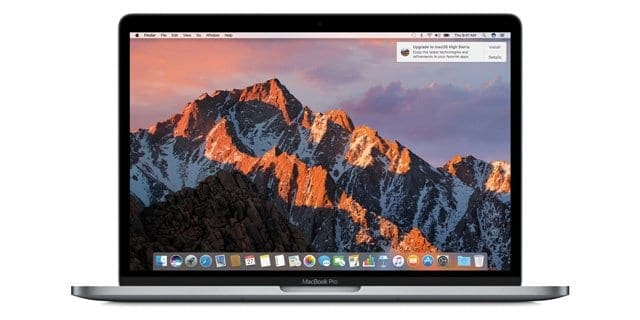
Now that has arrived, macOS High Sierra is no longer the primary Apple OS. However, many people will still be running High Sierra for a while, especially since macOS Mojave’s requirements are steeper. So, let’s take this opportunity to dive into everything you need to know about the outgoing macOS High Sierra. While macOS 10.13 High Sierra faced a fair share of problems like password vulnerabilities and other – these issues were quickly fixed and macOS High Sierra is, as a whole, well worth the upgrade. Plus, that new file system and built-in photo editing tools are invaluable and more than make up for any issues macOS High Sierra faced at launch.
Apple has released macOS High Sierra 10.13.6 Supplemental Update 2 for the 2018 MacBook Pro models with T2 chips and a Touch Bar. Apple pushed out the first High Sierra Supplemental Update for MacBook Pro in July 2018 to fix the thermal management system (see “ Apple Addresses MacBook Pro Thermal Throttling,” 24 July 2018). MacOS High Sierra 10.13.3 Update, Security Update 2018-001 for Sierra & El Capitan Released to Mac Users Jan 23, 2018 - 30 Comments Apple has released the final version of macOS High Sierra 10.13.3 for Mac users running the High Sierra operating system.
The major issue that macOS 10.13 High Sierra faced is similar to what Mountain Lion faced when it followed Lion – it brings in some notable new features, but fails to innovate in a major way. Its successor, macOS Mojave switches things up with iOS apps like News and Stocks. Here is everything you need to know about macOS High Sierra. Cut to the chase • What is it? Docker for mac os. The 2017 edition of Apple’s Mac operating system, macOS • When is it out? Available to install now • What will it cost? MacOS High Sierra is free to download macOS 10.13 High Sierra release date Apple revealed macOS 10.13 High Sierra at the WWDC 2017 keynote, which is no surprise, given Apple’s tradition of announcing the latest version of its Mac software at its annual developer event.
Yet, it wasn’t until September 12 that Apple revealed that the full release of High Sierra would launch little more than a week later, on September 25. There was a developer version of the operating system you could enroll in leading to the final release, but luckily that’s no longer required to take advantage of the latest features found in macOS 10.13. The final version of macOS High Sierra, macOS 10.13.6 has been released. Alongside a few bug fixes, it integrates Airplay 2 into iTunes (though you’ll also need to update iTunes to take advantage of it). You can download the update today from the Mac App Store. The bigger news here is that Apple released a bug fix with this update that should stop the new. MacOS High Sierra users can also update to Safari 12 now, which not only supports website icons in your tabs, but also has better security features.
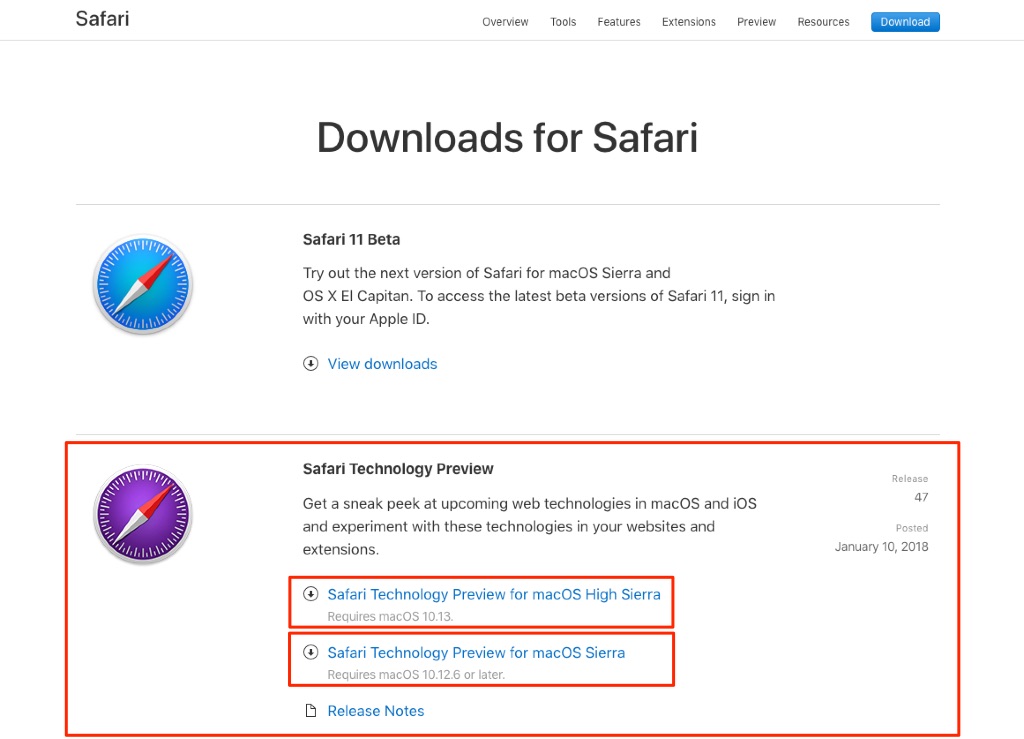
For instance, websites can no longer track your specific Mac when using Safari. If you’re ready to jump to the next version of macOS, you can download macOS Mojave today. And, fortunately, we can show you macOS 10.13 High Sierra features Beyond the Hackintosh users being reasonably worried about the newly enforced security checks on EFI firmware automatically implemented each week, Apple has revealed a number of awesome new features with macOS 10.13 High Sierra. These include improvements to Safari – which will now stop ad-tracking and auto-playing videos in their tracks – and a more expansive Spotlight Search in the Mail App. Additionally, when you’re composing emails, the app now allows split view for the compose window – and, to make matters better, it uses up to 35% less disk space. The Photos app has also been updated, with a better sorting tool to boot.
All of this is accompanied by a better layout, improved facial recognition thanks to neural networks, and improved syncing across all Apple devices – this all makes macOS High Sierra’s photo experience better than ever before. Editing tools, too, have seen improvements, in turn making it easier than ever to enhance the quality of your photos without learning the ins and outs of Photoshop or Camera RAW. And of course, you can count on Instagram-like filters being a part of this. One of the biggest changes that comes with macOS High Sierra is with the file system. It’s ditching the HFS – which Apple has used for around 30 years, and is now using the Apple File System (APFS) instead. Every Mac that has been upgraded to macOS High Sierra will receive these file system updates automatically with the exception of those sporting Fusion Drives and older HDDs. Similarly, all new Macs will ship pre-formatted for APFS.
To be exact, APFS is a 64-bit file system that supports native encryption and faster metadata operation. This may all sound a bit techy, but the bottom line is that this will make your Mac feel a lot faster, while also being more secure and more transparent about the nature of your files and folder contents. Unfortunately, this comes with the caveat of Apple’s confirmation that 32-bit apps will be discontinued in later versions of macOS High Sierra. The update also brings HEVC, or H.265, video compression to the Mac. Apple claims that this new standard can compress video files 40% more than the previous-generation H.264 standard.